Rust solo survival versus group chaos and why the harbor guys approach is better for learning the game
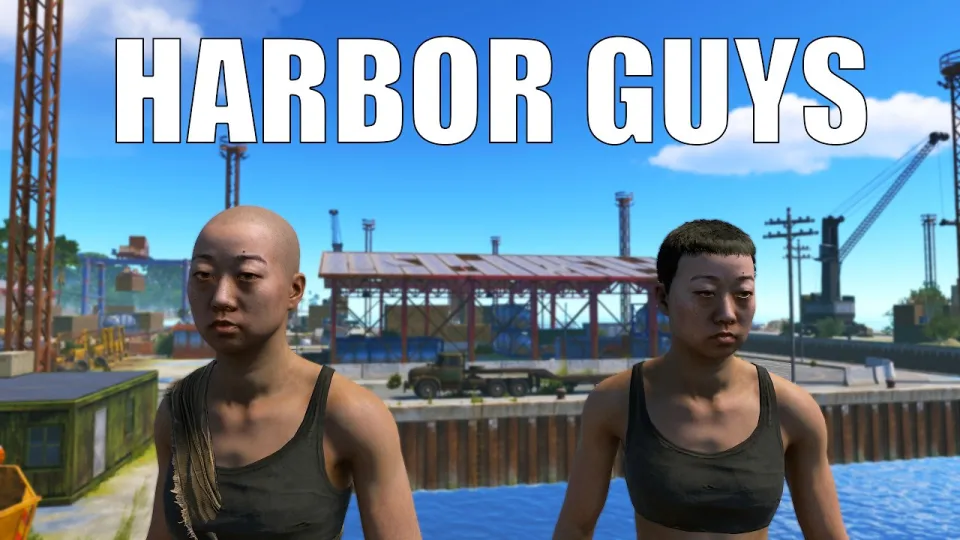
Video: harbor guys
You can order the same kind of articles for your own video to boost it on YouTube and Google. Just message the Telegram bot @sat_sit_bot. Articles with your video embedded are written and posted by the bot itself — on popular topical sites (no ads). Your first 50 articles are free.
· based on the channel spoonkid2
For a solo player, a quiet harbor start beats a contested launch site rush because it trades a small loot ceiling for survival, steady progress and far fewer deaths in the first hour. The harbor guys run in the spoonkid2 video is the clearest demonstration of that trade-off: a long, low-kill session built around one monument, one jump and a lot of patience. It is also the style of Rust that rewards preparation over reflexes, and you can grab the same kind of head start with the Factor meal kit discount from the video if you want fuel for a long wipe.
What the harbor guys Rust run actually contains
The session is a slow, deliberate solo wipe rather than a highlight reel, and the numbers back that up. Across roughly three hours of footage the run produces four kills and a single successful harbor jump, which is a fraction of what a typical PvP compilation would show. Spoonkid reportedly spent around an hour on one parkour jump onto a harbor building before making it, and the edit leans into that repetition with music cues and fake-outs that viewers called out as the best part of the video.
The run also carries a narrative thread: a character named Blazed is killed and disposed of in the ocean, and the group's running joke is that they are covering it up because they are, in their words, harbor guys. That framing turns a low-stakes loot run into a small story, which is exactly why the video works as an introduction to Rust's quieter side.
Why a harbor start is better than a fast monument rush for solos
Harbors are the best first monument for a solo player because they offer multiple loot crates, a recycler and predictable traffic without the guaranteed early fights of launch site or military tunnel. The trade-off is quality: harbor crates skew toward primitive weapons, tools and components rather than military-grade gear, so you will not leave with an assault rifle.
What you do get is a repeatable loop:
- Land near the harbor and secure a small base within walking distance.
- Farm the harbor crates on a rotation, recycling junk components for scrap.
- Use the scrap for a tier-one workbench and blueprints before contesting anything bigger.
- Only move to oil rig or cargo ship once you have a gun and enough meds to lose a fight.
That order is slower than a launch site rush, but it converts a three-hour session into steady progress instead of repeated respawns.
The parkour jump and why one building matters so much
Monument parkour matters in Rust because rooftops and ledges often hide crate spawns or give a firing angle that ground level does not. A single jump onto a harbor building can be the difference between a safe loot route and a dead end, which is why players will burn an hour on one input.
The video makes that grind the centrepiece rather than hiding it. The repeated attempts, the near-misses and the eventual landing are edited with musical fake-outs, and the audience response focused on the editing craft as much as the jump itself. For a new player the lesson is practical: learn one or two reliable jumps at your home monument, because they will pay off every wipe.
Cargo, chicken bakes and the jokes viewers keep repeating
The cargo ship run is the running gag of the video because a duo that spends an hour on a harbor jump is not a duo anyone expects to complete a cargo. Viewers latched onto the line about heading to cargo while eating a chicken bake, and it became the shorthand for the whole session's ambition-versus-reality gap.
That humour is not incidental. Rust's pacing is long stretches of farming punctuated by short, brutal fights, and the videos that endure are the ones that treat the downtime as content. A cargo run needs a boat, fuel, a gun and a plan for the return trip, so treating it as a joke rather than a goal is a fair reflection of how most solo attempts actually end.
Typical viewer questions about this style of Rust video
One recurring question is whether a three-hour video with four kills is worth watching, and the answer depends on what you want from Rust content. If you watch for mechanical outplays, this is not that; if you watch for the rhythm of a real wipe, the farming, the failed jumps and the conversations, it is closer to the actual game than a highlight reel.
The other repeated theme is the editing. Dinkbot's music choices, the fake-outs during the parkour scene and the pacing of the commentary come up again and again, and the fact that the same person edits and appears in the video is part of why the tone holds together. There is also steady demand for a full-month version of the run, which tells you the audience wants more of the slow format rather than less.
All links from the video
- 50% off your first Factor box plus free breakfast for a year
- monke.clothing merch store
- spoonkid Rust server Discord
- monke clothing on Instagram
- monke clothing on Twitter
Final take on the harbor guys approach
The harbor guys run makes the case that Rust solo survival is a patience game: pick a low-traffic monument, learn its jumps, recycle everything and accept that most sessions end without a big fight. Four kills and one successful jump across three hours is not a failure state, it is a normal wipe for a player who is still building up. If you want to support the format, use the Factor discount link from the video and follow spoonkid2, the channel behind this breakdown, for more long-form Rust sessions.
Key takeaways
- The harbor guys video is a three-hour Rust session with only four kills and one successful harbor jump.
- Spoonkid spent roughly an hour attempting a single parkour jump on a harbor building before landing it.
- The run is edited by dinkbot, whose music cues and fake-outs viewers singled out as the highlight.
- Monument loot at harbors is low-tier but low-risk, making it the standard opening for solo players.
- The video links a Factor meal kit offer, the monke.clothing merch store and the spoonkid Rust server Discord.
Source: harbor guys · Markdown version
Questions & answers
Is a harbor start good for solo Rust players?
Yes, harbors are one of the safest opening monuments for solos. They have multiple crates, a recycler and lower traffic than launch site, so you can build scrap and blueprints without fighting a group in the first hour. The loot ceiling is low, so plan to move to oil rig or cargo once you have a gun.
Why did the harbor jump take so long in the video?
Spoonkid reportedly spent about an hour on a single parkour jump onto a harbor building before landing it. Rooftop and ledge jumps often hide crates or give a firing angle, so players will repeat one input until it is reliable. The edit turns those attempts into the centrepiece with music fake-outs.
How many kills happen in the harbor guys video?
Around four kills across roughly three hours of footage, plus one successful harbor jump. That ratio is typical of a slow solo wipe rather than a PvP compilation, and it is the reason the video reads as a story about patience instead of mechanical skill.
Who edits the spoonkid2 Rust videos?
Dinkbot edits the videos and also appears in them, which viewers repeatedly point to as the reason the tone holds together. His music choices and the fake-outs during the parkour scene are the most discussed parts of the harbor guys video.